Psychological Buying Triggers: How AI Identifies Decision-Making Patterns
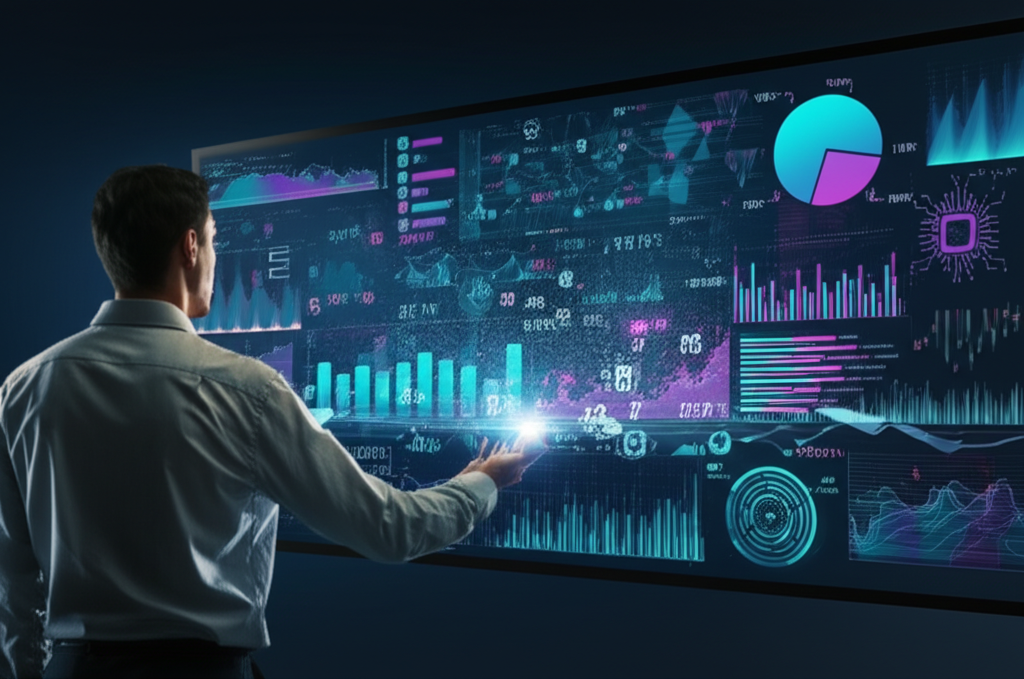
AI-powered retail systems now decode your psychological buying triggers with unmatched precision.Through deep behavioral analysis and emotional response tracking, AI algorithms monitor your digital footprints across multiple touchpoints to understand your decision-making patterns. These systems leverage social proof, FOMO, and cognitive biases to create hyper-personalized experiences, with 78% of retailers reporting stronger customer relationships. Visual and contextual cues further enhance AI's ability to predict and influence your purchase decisions, revealing the intricate science behind modern marketing and consumer psychology.
You'll find AI-driven marketing strategies leveraging these insights to enhance your shopping experience. By analyzing past interactions and preferences, AI systems identify your susceptibility to specific cognitive biases, enabling marketers to craft messages that resonate with your psychological triggers. This systematic approach converts raw behavioral data into actionable consumer insights.
Key Takeaways
- AI algorithms analyze digital footprints and consumer touchpoints to decode complex decision-making patterns and emotional triggers in purchasing behavior.
- Machine learning systems track browsing behavior and purchase history to identify personal preferences and predict future buying decisions.
- Natural Language Processing combines with behavioral economics to detect emotional responses and refine marketing strategies in real-time.
- Visual recognition technology monitors consumer reactions to product placement and design elements, influencing 93% of purchasing interactions.
- Social proof elements and user-generated content drive purchase decisions, with 79% of consumers trusting online reviews as much as recommendations.
The Science Behind AI-Detected Shopping Patterns
While traditional retail relied on basic demographic data, modern AI systems have altered the understanding of marketing and consumer psychology like shopping patterns through deep behavioral analysis. You'll find AI algorithms now meticulously track your digital footprint, analyzing countless touchpoints to decode your decision-making processes. Through Natural Language Processing and behavioral economics principles, these systems detect emotional triggers in your online interactions, measuring your responses to marketing stimuli in real-time.AI systems continuously decode our emotional responses, learning from every click, pause, and interaction to shape personalized marketing experiences.The AI's hyper-personalization capabilities create a detailed map of your marketing and consumer psychology, predicting purchasing decisions with remarkable accuracy. This deep understanding enables retailers to craft precisely timed interventions that align with your cognitive biases and emotional states.
Emotional Triggers That Drive Purchase Decisions
Your purchasing decisions are heavily influenced by FOMO, which creates a powerful sense of urgency when you see others acquiring products you've considered buying. Social proof strengthens your trust in products through AI-curated testimonials and real-time popularity indicators that show what other shoppers are buying. When AI systems present you with personalized recommendations that match your style and preferences, they tap into your emotional desire for products that feel uniquely suited to your tastes.FOMO Drives Urgent Action
When consumers face the prospect of missing out on exclusive deals or limited products, their decision-making process shifts dramatically toward immediate action. AI algorithms capitalize on this FOMO response by strategically deploying real-time alerts about dwindling inventory and time-sensitive offers, triggering urgent purchasing decisions. You'll observe how personalized marketing messages leveraging FOMO elements achieve up to 30% higher conversion rates, as consumers respond to customized recommendations that align with their browsing patterns. The data shows that 60% of shoppers make impulsive purchases when confronted with scarcity signals, while 70% engage more deeply with countdown timers and exclusive offers. AI's systematic analysis of consumer behavior enables precise emotional triggers, altering hesitation into action by creating a compelling sense of urgency that drives immediate sales.Social Proof Creates Trust
Social proof serves as a powerful psychological catalyst in consumer decision-making, with 79% of shoppers relying on online reviews as heavily as personal recommendations. This trust-building mechanism triggers emotional responses that greatly reduce perceived risks in purchasing decisions. When you encounter user-generated content, such as authentic photos and reviews from previous buyers, you're experiencing a carefully crafted marketing strategy that leverages social validation. This content creates a sense of community and authenticity, driving brand loyalty through shared experiences. The fear of missing out intensifies when you see others endorsing products, creating an urgency to participate in collective consumer behavior. Brands that strategically implement social proof in their marketing see measurable results, with 63% of consumers more likely to convert on sites featuring user reviews. This data-driven approach alters hesitant browsers into confident buyers because it leverages the principles of marketing and consumer psychologyPersonalized Recommendations Spark Desire
Building on the power of social validation, customized recommendations take emotional engagement to new heights by tapping into individual desires and preferences. AI algorithms analyze your purchasing patterns and digital interactions to identify psychological triggers that influence decision-making, creating a highly customized shopping experience. When you encounter personalized recommendations, you're experiencing sophisticated AI systems that leverage emotional connections through contextual cues. These systems tap into powerful motivators like FOMO and excitement, with 70% of consumers reporting strong emotional responses to AI-generated suggestions.How Social Proof Shapes Consumer Behavior
An important aspect of marketing and consumer psychology is that modern consumers rely heavily on the collective wisdom of others before making purchasing decisions, as evidenced by the 70% of buyers who actively seek positive reviews prior to completing a transaction. This social proof fundamentally shapes consumer behavior through multiple psychological triggers that influence decision-making processes. AI algorithms now leverage social proof elements to create targeted marketing experiences, analyzing user-generated content and testimonials to build trust.AI-driven platforms harness the collective power of customer experiences to deliver personalized, trust-building marketing that resonates with modern consumers.You'll notice how personalization amplifies this effect when you see friends' purchases or recommendations, triggering emotional intelligence responses and fear of missing out. This vibrant interplay between social validation as well as marketing and consumer psychology creates a powerful motivator for purchase decisions. The more social proof elements present - from ratings to authentic reviews - the stronger the trust signals become, ultimately driving higher conversion rates and customer confidence.
Personalization's Role in Decision Making
As consumers navigate an increasingly complex marketplace, personalization has emerged as a decisive factor in streamlining purchase decisions and it has been a huge influence on marketing and consumer psychology. By leveraging advanced AI algorithms, retailers now analyze your behavior patterns to create hyper-personalized shopping experiences that resonate on an emotional level. Research demonstrates that customized recommendations influence decision-making processes by reducing cognitive biases and simplifying your choices. You'll find that when retailers present personalized content aligned with your preferences, you're more likely to trust their suggestions and make confident purchases. This personalization strategy isn't just about convenience—it creates a deeper connection between you and the brand. With 78% of retailers reporting stronger customer relationships through personalization, it's clear that bespoke experiences are reshaping how you interact with products and make purchasing decisions.Breaking Down the FOMO Effect in Digital Commerce
While personalization creates customized shopping experiences, the Fear of Missing Out (FOMO) taps into deeper psychological triggers that drive immediate action. AI algorithms strategically analyze your consumer behavior to deploy scarcity messages, with 60% of shoppers responding to "limited stock" alerts by making instant purchasing decisions. You'll notice FOMO's effectiveness through multiple emotional triggers: limited-time offers convert 56% of consumers, while social proof influences 70% of millennials' buying choices. AI-driven personalized marketing amplifies these effects by targeting you with precisely timed availability alerts and exclusive deals. The combination of urgency and peer influence creates a powerful psychological cocktail that shapes your purchasing decisions. Understanding these mechanisms helps you recognize when FOMO marketing tactics are being employed to influence your shopping behavior.AI Analysis of Consumer Cognitive Biases
Understanding how your mind works, AI systems now dissect and exploit cognitive biases with exceptional precision. Through advanced data analysis, these systems track your purchasing behavior and emotional triggers, creating hyper-personalized recommendations that align with your decision-making patterns.| Cognitive Bias | AI Analysis Method | Marketing Strategy |
|---|---|---|
| Confirmation Bias | Pattern Recognition | Targeted Content |
| Loss Aversion | Behavioral Tracking | Scarcity Messaging |
| Emotional Triggers | Contextual Analysis | Personalized Offers |
| Social Proof | Interaction Mapping | Social Integration |
| Decision Timing | Purchase History | Urgency Creation |
The Impact of Visual and Contextual Cues
Visual and contextual cues form the cornerstone of modern marketing and consumer psychology, with AI systems now leveraging these elements to unparalleled effect. Through sophisticated visual recognition technology, AI analysis identifies patterns in consumer responses to product placement, color schemes, and design elements that trigger specific emotional states. You'll find that contextual cues enhance these effects, as AI-driven personalized recommendations align products with seasonal themes and current trends. With 93% of consumer interactions influenced by visual appearance, your purchase decisions are notably shaped by these carefully orchestrated visual marketing strategies. AI systems continuously analyze your browsing behavior to create targeted recommendations that resonate with your emotional state and create a sense of urgency. By understanding how visual and contextual cues work together, you're witnessing the sophisticated interplay between marketing and consumer psychology and AI-optimized marketing approaches.Data-Driven Insights Into Marketing and Consumer Psychology
Through advanced machine learning algorithms, AI systems now decode the intricate patterns of marketing and consumer psychology with unmatched precision. You'll find that these systems leverage vast amounts of data to build a deep psychological understanding of how consumers make decisions, with 70% of buyers acknowledging the emotional influence on their purchasing choices. AI systems don't just collect data; they convert it into actionable insights by analyzing your browsing patterns, purchase history, and emotional triggers. This sophisticated understanding enables retailers to create hyper-personalized experiences, resulting in 78% higher consumer engagement. You're experiencing this technology when you receive customized recommendations that seem to anticipate your needs. The AI continuously adapts its approach by monitoring your responses, creating a fluid feedback loop that refines its influence on your purchasing decisions in real-time.Frequently Asked Questions
How Does AI Influence Decision-Making?
AI influences your decision-making by analyzing your digital footprint and behavioral patterns to predict your future choices. You'll encounter personalized recommendations based on machine learning algorithms that process your past purchases and preferences. When you interact with AI systems, they're evaluating your emotional responses through sentiment analysis and adapting in real-time. You're also experiencing subtle nudges through AI-driven urgency alerts and customized offers that target your specific psychological triggers.What Is the Psychology of the Buying Process?
Like a chef following a recipe, your buying process follows distinct psychological stages. You begin with problem recognition - that moment when you realize you need something. Next, you'll search for information and evaluate alternatives, weighing options through both emotional and rational filters. You're influenced by cognitive biases and social proof, with emotions driving up to 70% of your decisions. Finally, you'll assess your purchase satisfaction, completing the psychological cycle.What Is the Psychology Behind Consumer Decision-Making?
You'll find that consumer decision-making stems from both rational and emotional processes in your brain. When you encounter a need, your amygdala triggers emotional responses while your prefrontal cortex processes logical evaluations. You're driven by psychological factors like social proof, scarcity, and cognitive biases that shape your choices. You'll often make decisions based on emotional satisfaction first, then justify them rationally afterward through post-purchase rationalization.How Does AI Use Rules in Decision-Making for Tasks?
You'll find that AI employs rules through "if-then" logic chains to make systematic decisions. When you input data, AI processes it through predetermined decision trees, evaluating conditions and executing corresponding actions. You're seeing this in action when AI analyzes your inputs, matches them against established parameters, and follows programmed pathways to reach conclusions. It's continuously refining these rules through machine learning, adapting its decision-making based on feedback and outcomes.Understand What Drives Your Buyers
Appendment's AI identifies buying triggers and psychological patterns in your prospect data, giving your reps the insights to close more deals.
Final Points
AI-driven analysis of psychological buying triggers revolutionizes your business's approach to consumer behavior. By identifying decision-making patterns, you'll predict and influence purchase choices with unparalleled accuracy. Consider Amazon's agile pricing algorithm, which analyzes over 2.5 million price changes daily based on behavioral patterns, leading to a 25% increase in purchase conversions. Understanding these psychological triggers through AI enables you to enhance every touchpoint in the customer journey.Discover how AI-powered insights can transform your sales strategy and unlock hidden buying patterns in your customer base — book a demo today.
Related Tags
AI shopping behaviorpsychological triggersretail analytics