Best Zoom Integrations for Sales Teams: The Complete 2026 Guide
Zoom has become the default platform for B2B sales conversations. With over 300 million daily meeting participants, it's where deals are pitched, objections are handled, and contracts get closed.
But here's what separates top-performing sales teams from the rest: it's not just about using Zoom—it's about how you integrate it into your sales stack.
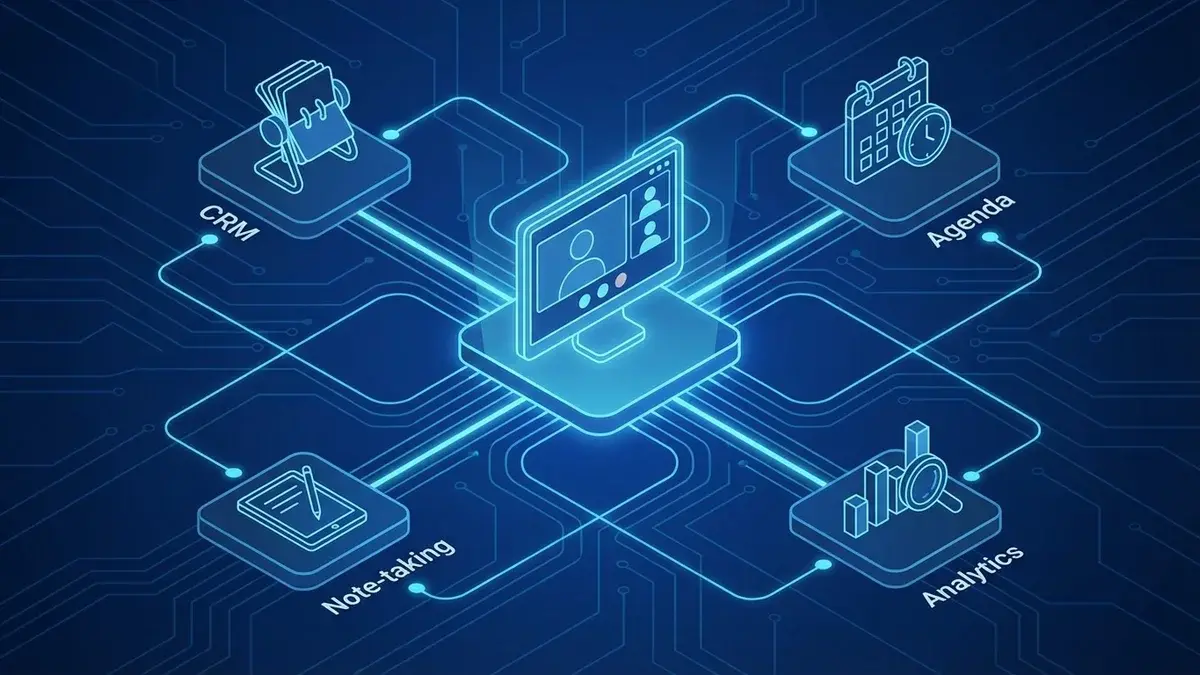
The best sales organizations don't treat Zoom as a standalone video tool. They connect it with CRMs, AI coaching platforms, conversation intelligence tools, and automation systems that turn every call into a data-driven opportunity to improve.
According to research, deals are 127% more likely to close when video is used during the sales process. And when you add the right integrations, you can push that number even higher.
Here are the 15 best Zoom integrations for sales teams in 2026—ranked by their actual impact on revenue.
Why Zoom Integrations Matter for Sales Success
Before diving into specific tools, let's understand why integrations are so critical for sales teams using Zoom:
- Eliminate manual data entry - Auto-sync call notes, recordings, and action items to your CRM
- Get real-time coaching - AI can provide live guidance during calls, not just post-call analysis
- Improve conversation quality - Analytics reveal patterns in winning vs. losing calls
- Accelerate follow-up - Automated workflows trigger immediately after calls end
- Scale best practices - Share successful call recordings and techniques across the team
The Zoom App Marketplace now offers over 2,500 integrations. We've tested dozens specifically for sales use cases and ranked them by actual revenue impact. (Wondering how Zoom compares to alternatives? See our Zoom vs Microsoft Teams vs Google Meet comparison.)
Top 15 Zoom Integrations for Sales Teams
1. Appendment (Real-Time AI Coaching + Intelligence)
Unlike tools that only analyze calls after they're over, Appendment provides real-time AI coaching while you're actually talking to prospects. This is the difference between knowing you talked too much (after losing the deal) and getting a live prompt to ask a discovery question (while you can still save it).
Appendment integrates directly with Zoom to deliver:
- Live coaching prompts - Objection responses, competitive battlecards, and talk track guidance in real-time
- 50+ data points per prospect - Psychographics, communication preferences, and buying triggers displayed during calls
- Automatic CRM updates - Call notes, action items, and deal updates sync without manual entry
- Personality-based selling cues - Adjust your approach based on the prospect's communication style
Sales teams using Appendment report 40-50% higher close rates compared to using Zoom alone.
Best for: Sales teams who want to win more deals through real-time guidance, not just post-call analysis.
2. Salesforce Integration (Native CRM Sync)
Zoom's native Salesforce integration is essential for enterprise sales teams. It allows you to schedule, launch, and join Zoom meetings directly from Salesforce records. Meeting data, attendance, and call logs automatically sync to the relevant opportunities and contacts.
Key features include one-click meeting creation from any Salesforce record, automatic attendance tracking, call log synchronization, and webinar registration data flowing into leads.
Best for: Enterprise sales teams already using Salesforce who need seamless meeting data in their CRM.
3. HubSpot Integration (Full-Funnel Visibility)
The HubSpot-Zoom integration brings video meetings into your marketing and sales workflows. Schedule Zoom calls from HubSpot, track meeting engagement in contact timelines, and trigger automated follow-up sequences based on meeting outcomes.
The integration also supports Zoom Phone, bringing voice communications into the same platform as your video meetings and CRM data.
Best for: SMB and mid-market teams using HubSpot for marketing and sales alignment.
4. Gong (Conversation Intelligence)
Gong is the market leader in conversation intelligence, and its Zoom integration is seamless. It automatically records, transcribes, and analyzes every Zoom call, surfacing insights about talk ratios, topics discussed, competitor mentions, and coaching opportunities.
The AI identifies patterns across thousands of calls to show what separates won deals from lost ones. Managers can quickly find coachable moments and share best practices.
Best for: Larger sales teams focused on systematic coaching and deal intelligence. Note: Gong provides post-call analysis, not real-time coaching.
5. Zoom Revenue Accelerator (Native AI)
Zoom's own AI-powered sales tool (formerly Zoom IQ for Sales) provides conversation analytics, automated CRM updates, and AI-generated follow-up suggestions. It's built directly into the Zoom platform, so there's nothing extra to install.
Features include sentiment analysis, talk-time tracking, next-step recommendations, and pipeline visibility based on conversation signals.
Best for: Teams wanting native Zoom analytics without adding third-party tools. Limited compared to dedicated platforms.
6. Calendly (Scheduling Automation)
Calendly's Zoom integration automatically adds Zoom meeting links to every scheduled appointment. This eliminates the back-and-forth of "here's my Zoom link" emails and ensures every meeting has video conferencing ready to go.
The integration also tracks scheduling patterns and no-show rates, helping optimize your meeting availability.
Best for: Any sales team that books meetings with prospects. Essential productivity tool.
7. Slack Integration (Team Communication)
The Zoom-Slack integration posts meeting reminders to channels, allows one-click meeting starts from Slack, and can notify team members when important calls begin. It's particularly useful for deal rooms where multiple team members need visibility into customer conversations.
Best for: Teams using Slack for internal communication who want meeting visibility across channels.
8. Chorus by ZoomInfo (Conversation + Data)
Chorus combines conversation intelligence with ZoomInfo's B2B contact database. It records and analyzes Zoom calls while enriching contact data with firmographic and technographic information. This means you get both call insights and deeper prospect intelligence.
Best for: Teams already using ZoomInfo for prospecting who want integrated conversation analytics.
9. PandaDoc (Proposals & Contracts)
PandaDoc integrates with Zoom to streamline the proposal-to-close process. You can create, send, and track proposals during or immediately after Zoom calls. The integration shows when prospects view documents and enables e-signatures without leaving the meeting flow.
Best for: Sales teams who frequently send proposals and want to shorten the quote-to-close cycle.
10. Pipedrive Integration (Visual Pipeline)
Pipedrive's Zoom integration lets you schedule and join meetings directly from deal cards. Meeting activities automatically log to the deal timeline, and you can see upcoming Zoom calls across your entire pipeline at a glance.
Best for: SMB sales teams using Pipedrive who want visual pipeline management with integrated video.
11. Fathom (Free Meeting Notes)
Fathom is a free AI note-taker that integrates with Zoom to automatically record, transcribe, and summarize meetings. It highlights key moments, generates action items, and syncs summaries to your CRM. The free tier is generous enough for most small teams.
Best for: Teams on a budget who need meeting transcription and basic AI summaries.
12. Outreach Integration (Sales Engagement)
Outreach's Zoom integration connects video meetings to multi-channel sales sequences. You can trigger Zoom invites as part of automated cadences, log meeting outcomes to sequences, and analyze which meeting types lead to progression.
Best for: SDR and BDR teams running high-volume outbound with structured sequences.
13. Clari (Revenue Intelligence)
Clari uses AI to analyze activity data across your sales stack, including Zoom meetings. It provides pipeline visibility, forecast accuracy, and risk alerts based on engagement patterns. The Zoom integration feeds meeting data into Clari's revenue intelligence engine.
Best for: Sales leadership teams focused on forecasting accuracy and pipeline management.
14. Zapier (Custom Automations)
When native integrations don't exist, Zapier fills the gap. You can connect Zoom to thousands of apps with custom workflows—like automatically creating follow-up tasks in Asana after Zoom calls, or adding meeting attendees to specific email lists.
Best for: Teams with unique workflows that need custom automation between Zoom and other tools.
15. Demodesk (Virtual Sales Rooms)
Demodesk creates virtual sales rooms where you can combine Zoom meetings with shared content, interactive demos, and collaborative notes. It's particularly useful for complex B2B sales where multiple stakeholders need to review materials together.
Best for: Enterprise sales teams with complex, multi-stakeholder deals.
How to Choose the Right Zoom Integrations
With thousands of options available, focus on integrations that solve your biggest bottlenecks:
| Problem | Best Integration | Expected Impact |
|---|---|---|
| Low close rates | Appendment (real-time coaching) | 40-50% improvement |
| No CRM updates after calls | Salesforce/HubSpot integration | 95%+ data capture |
| Inconsistent sales conversations | Gong or Chorus | Identify winning patterns |
| Meeting scheduling friction | Calendly | Save 5+ hours/week |
| Slow proposal turnaround | PandaDoc | 50% faster close |
Real-Time Coaching vs. Post-Call Analysis
One critical distinction to understand: most Zoom sales tools provide post-call analysis. They tell you what went wrong after the deal is already won or lost.
Tools like Gong, Chorus, and Zoom Revenue Accelerator excel at this. They help managers coach reps and identify patterns. But they can't help you save a call that's going sideways in the moment.
Real-time coaching tools like Appendment work differently. They analyze the conversation as it happens and provide guidance you can actually use—while the prospect is still on the line. This is the difference between learning from mistakes and preventing them. Learn more in our complete guide to real-time AI coaching for video calls.
For maximum impact, consider using both: real-time coaching for immediate improvement, and conversation intelligence for systematic team development.
Setting Up Your Zoom Sales Stack
Here's a recommended approach for building an integrated Zoom sales environment:
- Start with your CRM integration - Ensure every Zoom call automatically logs to your CRM (Salesforce, HubSpot, or Pipedrive)
- Add scheduling automation - Connect Calendly to eliminate meeting coordination friction
- Implement real-time coaching - Add Appendment for live guidance during calls
- Layer in conversation intelligence - Use Gong or similar for post-call analysis and team coaching
- Connect your proposal tool - Integrate PandaDoc or similar for seamless quote-to-close
This stack ensures every Zoom call is captured, analyzed, improved, and followed up on systematically. For more video selling strategies, see our guide on how to close more deals on video calls.
The Bottom Line
Zoom is just a video platform. The integrations you connect to it determine whether it becomes a revenue-generating system or just another meeting tool.
The highest-impact investments are:
- Real-time AI coaching (Appendment) - Directly improves win rates on every call
- CRM sync - Ensures no customer data falls through the cracks
- Scheduling automation - Removes friction from booking meetings
Start with one or two integrations that address your biggest pain points, measure the impact, and expand from there.
Ready to get real-time AI coaching on your Zoom calls?
Appendment integrates with Zoom to provide live coaching prompts, prospect intelligence, and automatic CRM updates. Book a demo to see how teams are closing 40% more deals.